Grocery shopping accounts for a substantial share of the disposable packaging that enters Canadian homes each week. Shifting toward a lower-waste routine does not require a complete overhaul of how you shop — it typically starts with a few specific habits and expands from there.
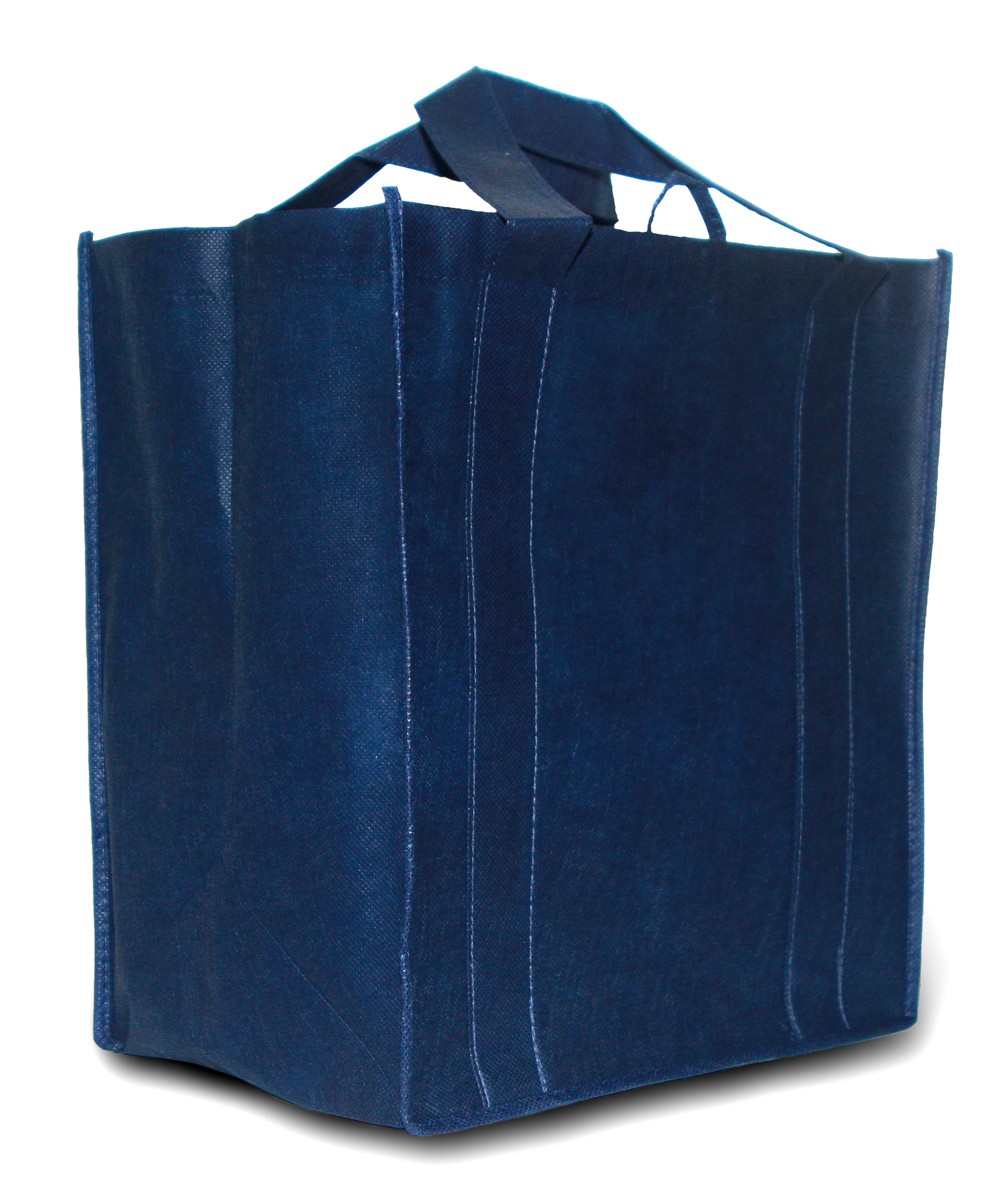
Reusable bags are the most widely adopted starting point for reducing grocery packaging waste. Source: Wikimedia Commons (CC BY-SA 3.0)
1. Map Out What You Currently Buy in Packaging
Before changing anything, spend one or two grocery trips noting which items arrive in single-use plastic or non-recyclable packaging. Common categories include: produce bags, snack packaging, dairy containers, cleaning product bottles, and grain or legume bags.
This audit reveals where the largest opportunities exist. For most Canadian households, produce, dry goods, and cleaning products offer the clearest substitution options.
2. Identify Bulk Stores in Your Area
Canada has a growing number of zero-waste and bulk grocery stores. In British Columbia, retailers such as Nada Grocery (Vancouver) operate with a fully packaging-free model, accepting customer containers. In Ontario, stores like The Bulk Barn allow customers to bring their own containers (pre-approved for sanitary use) for many dry goods.
In provinces with fewer bulk options — such as parts of Atlantic Canada and the Prairies — bulk sections within larger grocery chains (Sobeys, Loblaws, Co-op) may offer a partial alternative.
The Government of Canada's single-use plastics regulations began phasing out specific plastic items starting in 2022. Understanding what is already regulated can help you identify which packaging categories are most likely to change at the retail level.
3. Bring Your Own Containers — and Know the Rules
Many bulk retailers across Canada allow customers to bring glass jars, cloth bags, or stainless containers. The standard process involves:
- Weighing the container at the service desk before filling
- Noting the tare weight on the container label
- Filling with bulk product and subtracting the tare at checkout
Some stores have paused container-reuse policies for specific categories due to hygiene protocols. Check with each retailer before assuming containers are accepted in all departments.
4. Reusable Produce Bags and Mesh Bags
Loose produce at most Canadian grocery stores does not require a bag — the PLU sticker goes directly on the item. For small items like mushrooms or cherry tomatoes, reusable mesh or cotton bags work in most stores and are tared at checkout the same way as bulk containers.
Brands such as Onyx Containers and several Canadian Etsy shops produce mesh produce bags made in Canada. Major retailers like Canadian Tire and MEC also carry them seasonally.
5. Adjusting Your Shopping Frequency and Planning
Zero-waste grocery shopping tends to require slightly more planning. Bulk sections typically have a narrower product range than packaged aisles, so shoppers often find it helpful to:
- Plan meals before shopping to avoid impulse buys in packaged form
- Keep a running list of which bulk items to restock
- Shop more frequently for fresh produce rather than buying large quantities that may spoil
6. Reading Labels for Recyclability in Canada
Not all packaging labelled "recyclable" is accepted by every Canadian municipal program. Recycling rules differ significantly by city — polystyrene foam is accepted in some Toronto programs but not in Vancouver. The Recycle BC and Toronto's Blue Bin guide are two examples of local lookup tools.
7. Starting Small
Replacing all packaged goods at once is neither practical nor necessary. A more durable approach is to substitute one category at a time — starting with whatever produces the most waste in your household. For many Canadians, that is dry goods, produce, or cleaning products.
A Reasonable Sequence for Most Households
- Switch to reusable shopping bags (already common in provinces with bag fees)
- Add reusable produce bags for loose fruit and vegetables
- Identify one bulk store within regular travel distance
- Begin buying 2–3 dry goods in bulk (rice, lentils, oats)
- Evaluate cleaning product refill options
- Assess remaining packaging categories
Each step reduces the overall volume of packaging entering the household without requiring a simultaneous change to the entire grocery routine.
Further Reference
For related topics, see Best Reusable Alternatives for Canadian Households and Composting at Home: A Practical Guide for Canadians.