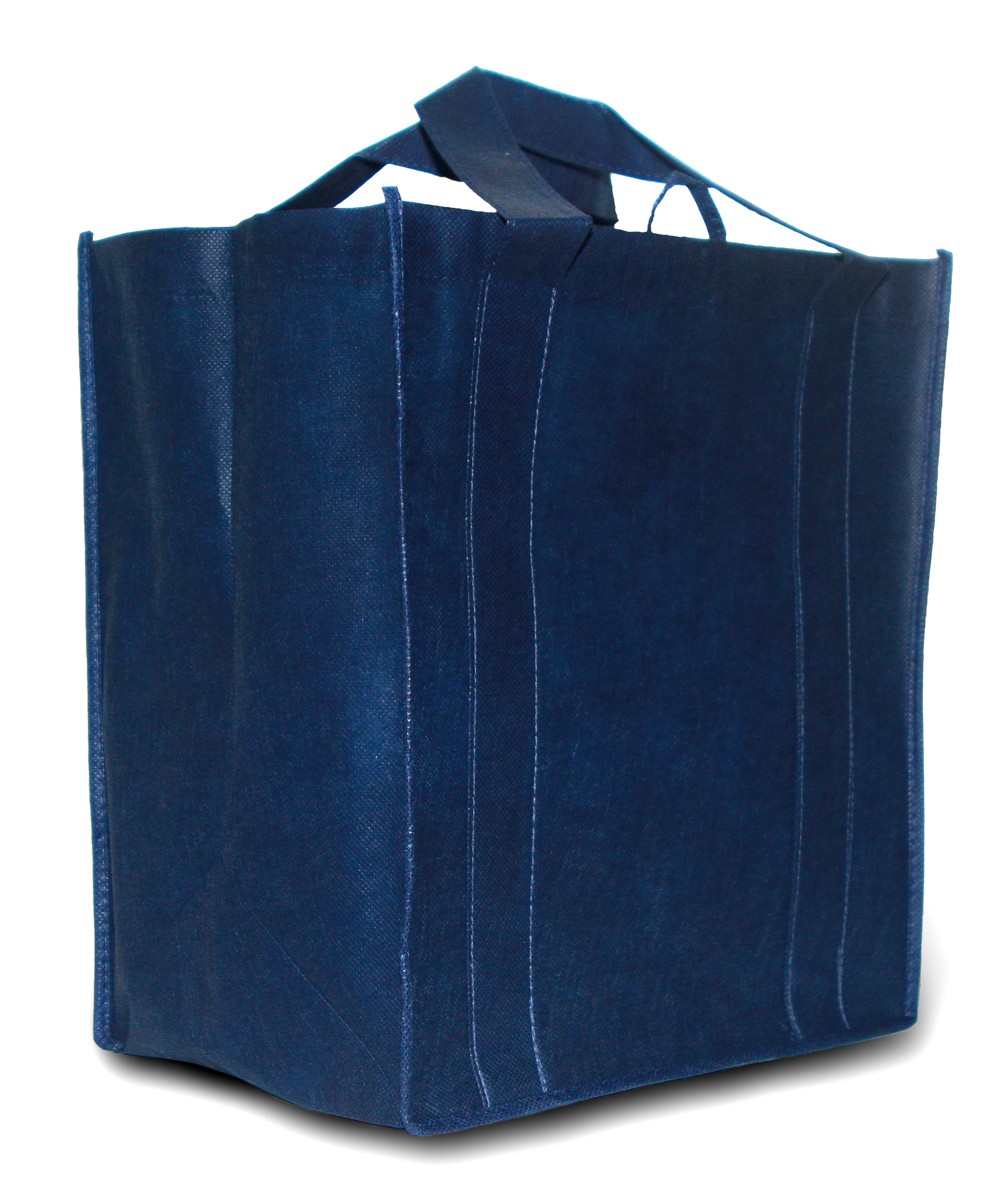
Grocery Shopping
How to Start Zero-Waste Grocery Shopping
A step-by-step breakdown of adjusting your grocery routine — from choosing stores with bulk sections to managing packaging at checkout.
Updated May 2026
A reference guide for Canadians switching to reusable grocery supplies, reducing single-use packaging, and composting at home — without the marketing noise.
Topics
In-depth, practical material on zero-waste grocery shopping, reusable household alternatives, and composting — focused on the Canadian context.
A step-by-step breakdown of adjusting your grocery routine — from choosing stores with bulk sections to managing packaging at checkout.

A category-by-category look at common single-use items and the reusable options that are widely available in Canada.
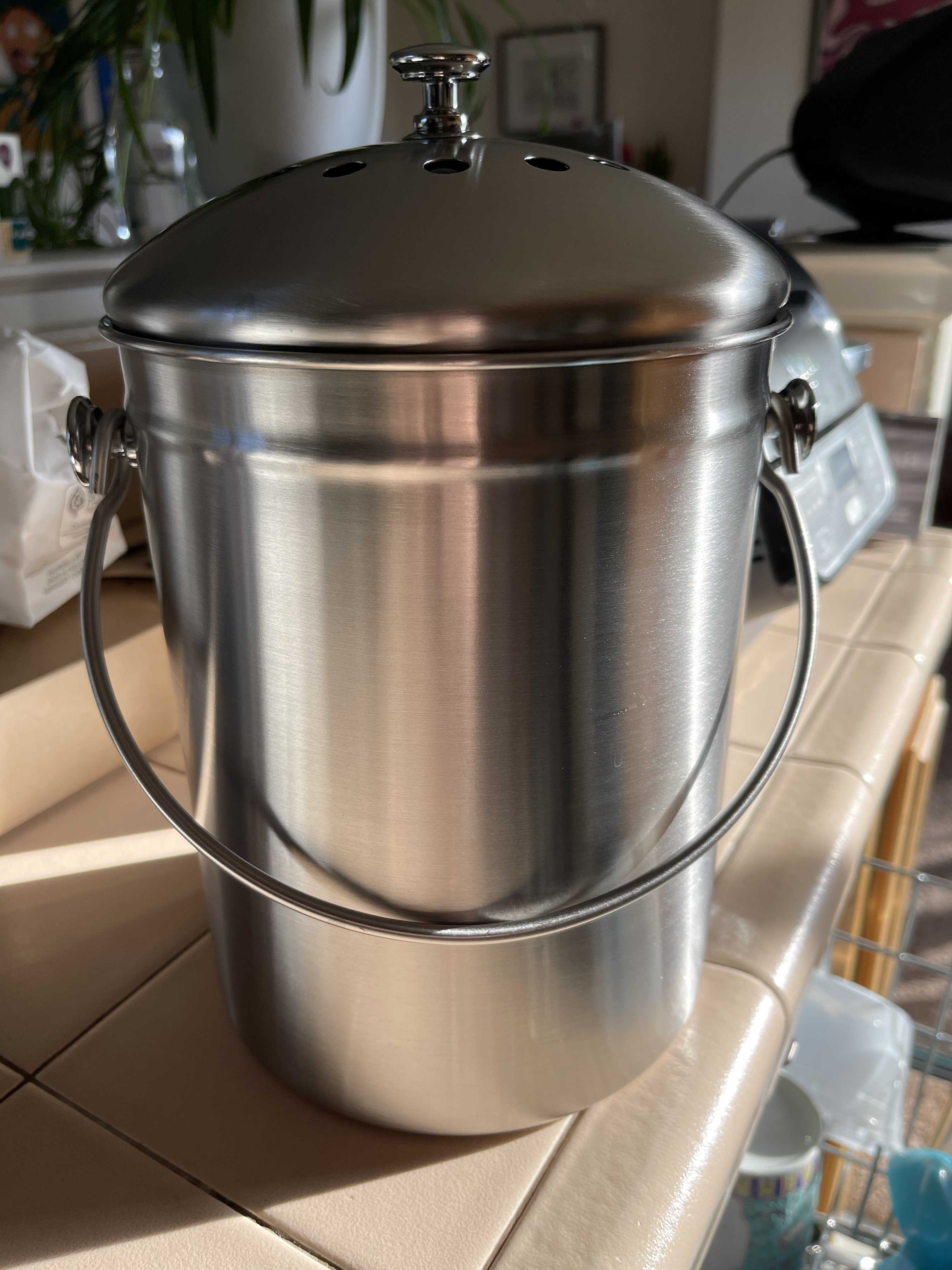
How to set up kitchen and backyard composting in Canada, including municipal programs and what materials break down correctly.
Why It Matters
According to Environment and Climate Change Canada, a significant share of residential solid waste consists of food-related packaging — much of it generated through routine grocery shopping.
Switching to bulk purchasing, reusable containers, and seasonal produce from local sources can measurably reduce the volume of packaging material entering a household's waste stream each week.
This site documents practical approaches for Canadians — by province, by category, and by household type.
Canadian Context
What works for a household in Vancouver may not apply directly to one in Halifax. Composting infrastructure, bag bans, bottle deposit regulations, and bulk-store availability differ by province and city.
The articles on this site note regional differences where relevant — including province-specific composting programs, retailer availability, and municipal recycling rules.
For provincial waste management guidelines, refer to your local municipality's official resources or Canada's national waste reduction information.